Immediate dentures in Denver, CO: what to expect from day one
At Colorado Oral Surgery in Denver, Colorado and Parker, Colorado, immediate dentures allow many patients to leave the office with replacement teeth the same day teeth are removed. This page explains how immediate dentures work, who they help, benefits and limitations, and what recovery and follow-up typically involve for patients in Denver, CO.
Immediate dentures explained
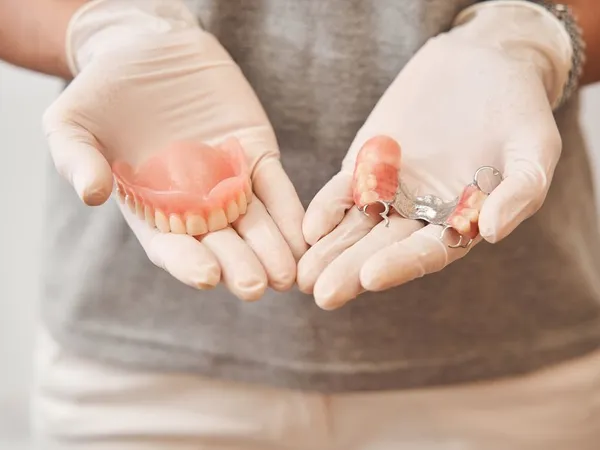
Immediate dentures are removable prosthetic teeth placed right after tooth extractions. They are made in advance using impressions and bite records taken before the extraction visit. On the day teeth are removed, the denture goes in immediately, so there is no period of going without teeth.
These appliances can be made for the upper arch, lower arch, or both. Some patients receive an immediate partial denture that replaces several teeth while healthy teeth remain. Others need a full immediate denture when all teeth in an arch are being removed.
How they compare with conventional dentures
Immediate dentures provide teeth right away, while conventional dentures are made after gums and bone have healed. Because tissues change shape during healing, immediate dentures often require more adjustments and relines. Conventional dentures may offer a more precise long-term fit, but they involve a period without teeth unless a temporary solution is provided.
Benefits of immediate dentures
Leave the office with teeth the same day as extractions
Help protect extraction sites like a bandage
Support lips and cheeks to maintain facial shape
Aid speech and basic chewing during healing

Reduce the social and emotional impact of tooth loss
For many in Denver, CO seeking same-day dentures, these benefits make the transition smoother while gums and bone recover.
What to expect after surgery
Mild to moderate soreness, swelling, and minor bleeding are normal for the first 24–72 hours. Biting gently with the denture in place can help control bleeding and protect the sites.
Do not remove the denture until the first follow-up unless your provider advises otherwise. The team will remove it at that visit to clean the appliance, evaluate healing, and make adjustments.
Plan on a soft diet at first: smoothies, yogurt, eggs, well-cooked pasta, fish, and soups. Avoid very hot, hard, or sticky foods until advised. Sip water often, and use any prescribed medications as directed. Saltwater rinses usually begin 24 hours after surgery, following specific instructions.
As tissues heal, the denture may feel looser. This is expected and does not mean the appliance was made incorrectly. A soft reline can restore comfort, and a permanent reline or new denture is typically planned once healing stabilizes. Adhesives may be recommended short term; your doctor will outline safe use and cleaning.
Who is a good candidate?
Immediate dentures can be a good choice for adults who need many teeth removed and want a continuous aesthetic appearance, have reliable healing capacity, and can return for multiple follow-ups. Patients with significant bone loss, very strong gag reflexes, or severe clenching may need tailored plans and extra visits to optimize fit.
Next steps
Schedule your visit at [practice_name] across the Denver Metro area, call us at one of our convenient locations, Cherry Creek, Central Park, and Parker.
How immediate dentures work
1) Consultation and planning
Your doctor reviews goals, health history, and options, including immediate dentures vs conventional dentures or implant-supported solutions.
2) Pre-extraction records
Impressions, jaw measurements, and tooth shade selection are taken. A dental lab crafts the denture before the surgery date.
3) Extraction and placement
After teeth are removed, the denture is inserted and adjusted for comfort and initial fit.
4) Early healing
Expect swelling and changes in fit over the first weeks. Soft liners can cushion the denture while tissues remodel.
5) Reline and refinement
As gums shrink, a soft reline improves comfort. After 3–6 months, a more durable reline or a new "definitive" denture is made to match the healed shape.
6) Maintenance
Periodic adjustments help reduce sore spots and improve stability. Daily cleaning and follow-up visits are important.