Dental implants in Denver, CO: a patient guide
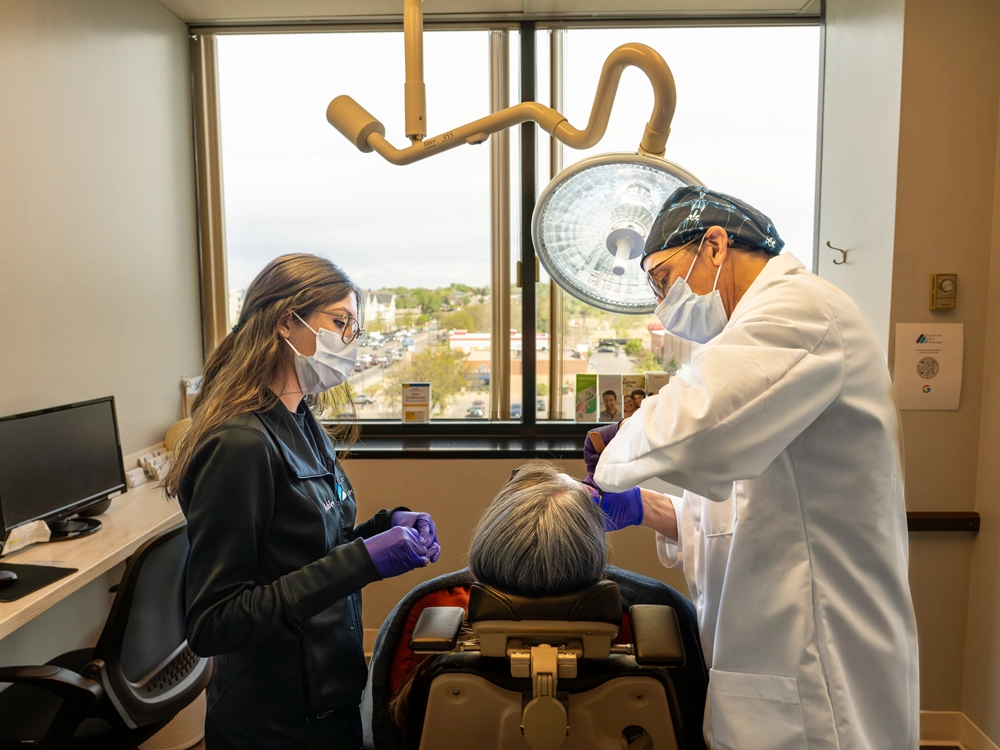
Colorado Oral Surgery provides information to help patients in Denver, CO and Parker, CO decide if dental implants are the right choice for replacing missing teeth. Dental implants are designed to look, feel, and function like natural teeth, and they can replace a single tooth, several teeth, or a full arch with stable, long-term results.
Dental implants explained
A dental implant is a small biocompatible post, usually titanium or zirconia, that replaces the root of a missing tooth. After the post is placed in the jawbone, bone cells attach to its surface in a process called osseointegration. Once healed, an abutment connects the post to a custom crown, bridge, or denture.
Common options include:
- Single tooth implants with a custom crown
- Implant-supported bridges to span a gap without modifying neighboring teeth
- Implant-retained dentures for improved stability and comfort
Good candidates have healthy gums, adequate bone volume, and good oral hygiene. If bone is thin or missing, a bone graft or sinus lift may be recommended before placement.
How dental implants can help

Preserve jawbone volume by stimulating the bone, reducing facial collapse over time
Protect adjacent teeth by avoiding shaving down healthy enamel for a traditional bridge
Restore strong chewing ability and clear speech
Offer durable results with high success rates when cared for properly

Provide easier home care since implants are brushed and flossed like natural teeth
What to expect before and after treatment
Before surgery, plan a soft diet and arrange a ride home if sedation is used. Most patients experience mild soreness and swelling for 2–3 days, managed with cold compresses and over-the-counter medication as directed. Stitches, if present, are typically removed or dissolve within 1–2 weeks.
Eat soft, cool foods at first, avoid smoking, and keep the area clean with gentle rinsing. As healing progresses, diet expands and normal brushing resumes around the implant site. Call the office if you notice increasing pain, persistent bleeding, or a loose temporary.
Risks are uncommon but can include infection, delayed healing, implant loosening, sinus complications (upper jaw), or nerve irritation (lower jaw). Careful planning, good home care, and attending follow-up visits help minimize these risks.
Comparing options
For a single missing tooth, many consider single tooth implant vs bridge. An implant avoids altering neighboring teeth and helps maintain bone, while a bridge may offer a shorter timeline. For multiple missing teeth, implant-supported dentures can improve chewing and comfort compared with traditional removable dentures.
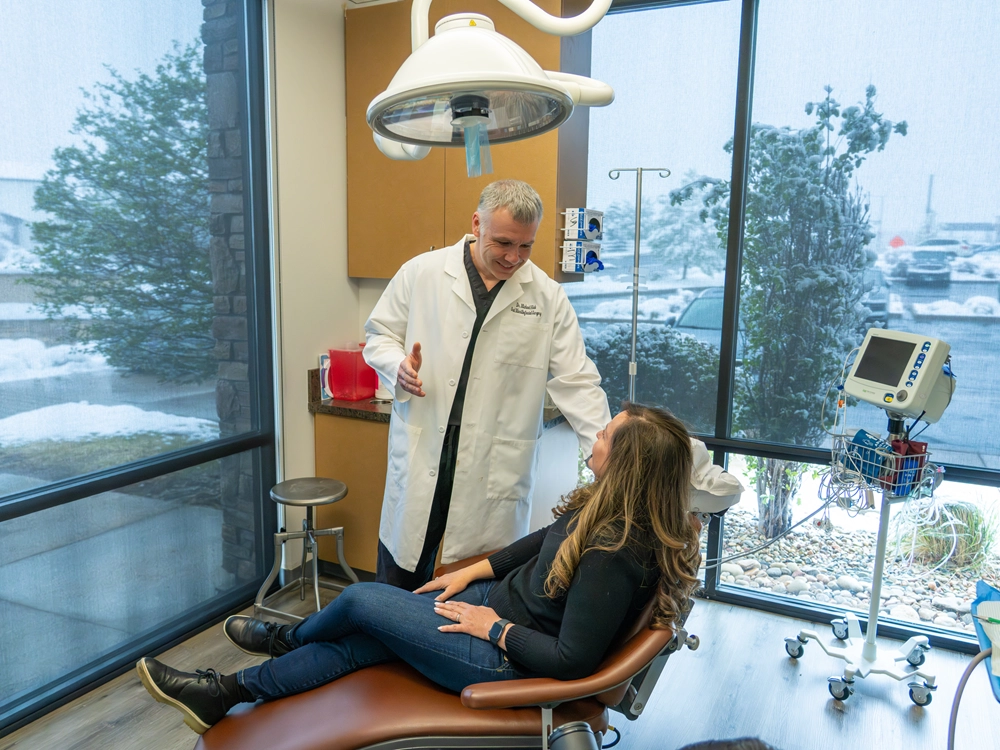
The dental implant process
1) Consultation and planning
The first visit includes a clinical exam, 3D imaging, and a discussion of goals. This is where "what are dental implants?" and "how do dental implants work?" questions are addressed. A plan covers the number of implants, restoration type, and whether grafting is needed.
2) Site preparation
If needed, bone grafting strengthens the area for long-term support. Healing can take several weeks to a few months, depending on the graft size and location.
3) Implant placement
On the day of surgery, local anesthesia is used, with sedation options available when appropriate. The implant post is placed into the bone through a small opening in the gum. Most patients report pressure rather than sharp pain during the procedure.
4) Healing and temporary restoration
Osseointegration typically takes 8–16 weeks. A temporary tooth may be provided in visible areas to maintain appearance while healing. The exact healing time for dental implants varies by site and health factors.
5) Abutment and final crown or bridge
After healing, an abutment is attached and impressions are taken. A custom crown, bridge, or implant denture is then secured for natural function and aesthetics.
6) Follow-up and maintenance
Regular checkups and cleanings help protect your results. Daily brushing, interdental cleaning, and night guard use for bruxism when indicated reduce risks over time.