Overview of dental implant placement in Denver, CO
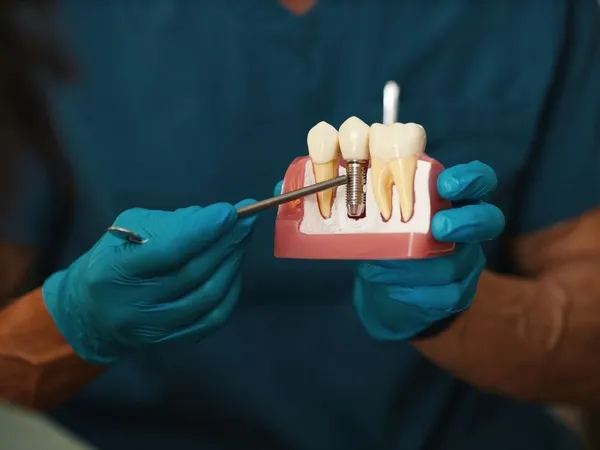
Dental implant placement is a carefully planned surgical procedure designed to restore missing teeth with a strong, long-lasting foundation. The process is precise and personalized, taking into account your oral health, bone structure, and overall treatment goals. Whether you are replacing a single tooth or multiple teeth, implant placement is performed with attention to detail to support long-term success.
For one dental implant, the surgical procedure typically takes 30 to 60 minutes. When multiple implants are placed, surgery may take two to three hours. The total number of appointments and overall timeline vary from patient to patient. Your surgeon carefully plans each step to ensure accuracy, comfort, and predictable healing.
Schedule your visit at [practice_name] across the Denver Metro area, call us at one of our convenient locations, Cherry Creek, Central Park, and Parker.
The Surgical Procedure
Before surgery, comfort options are discussed during your consultation. You may be prescribed antibiotics prior to treatment, and sedation options such as intravenous sedation or nitrous oxide (laughing gas) may be available. A local anesthetic is always used to numb the area where the dental implant will be placed.
Once you are comfortable, the surgeon makes a small incision in the gum tissue to access the underlying bone. Specialized instruments are used to create space for the implant, which is then gently placed into the jawbone. In some cases, the top of the implant remains visible through the gum. In other situations, the implant may be covered by the gum tissue during the early stages of healing, depending on what is best for your case.
When Are Dental Implants Placed?
Dental implants are often placed several months after a tooth extraction to allow the bone to heal. In some cases, an implant may be placed immediately after a tooth is removed. Immediate placement can simplify treatment and reduce the number of appointments, but it may involve additional considerations.
If infection or bone damage is present, immediate placement may not be recommended. Your surgeon will evaluate the area carefully to determine the safest and most predictable approach.
When a tooth has been missing for an extended period, the surrounding bone may shrink and thin due to lack of stimulation. Up to one-third of jawbone thickness can be lost within the first year after tooth loss. If insufficient bone is present, bone grafting may be recommended to ensure the implant is properly supported.
How Many Dental Implants Are Needed?
In most cases, one dental implant is placed for each missing tooth. Because back teeth often have multiple roots, larger implants are commonly used to replace missing molars. During your consultation, your surgeon will review imaging and explain how many implants are needed to support your restoration.
Schedule your visit at [practice_name] across the Denver Metro area, call us at one of our convenient locations, Cherry Creek, Central Park, and Parker.
Healing After Dental Implant Surgery
Initial Healing Phase
After the implant is placed, the healing phase begins. Healing time varies from person to person and depends on the quality and quantity of available bone. In certain cases, implants may be restored immediately after placement. Your surgeon will guide you on follow-up care and timing based on your individual situation.
Follow-Up Care
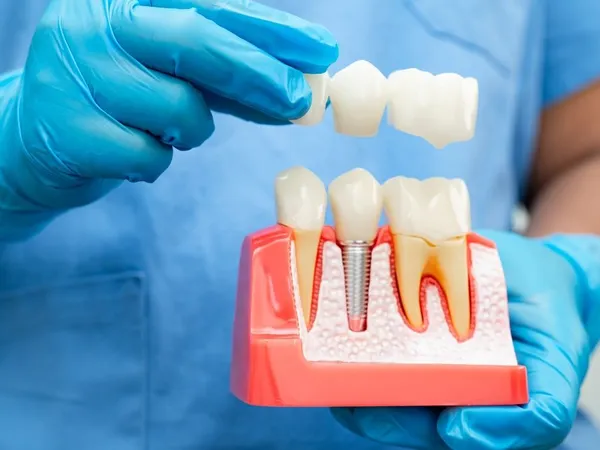
Following the initial healing period, a brief follow-up visit is scheduled to place an abutment or healing cap onto the implant. This allows the gum tissue to mature properly and provides access to the implant for the final restoration. In some cases, impressions are taken at the time of implant placement so the crown can be prepared while healing occurs.
Monitoring Progress
Most patients require one to four follow-up appointments to monitor healing and determine when the mouth is ready for the restorative phase. The length of healing is influenced by factors such as bone health, overall health, and the number of implants placed.
Soft Tissue Grafting
In some situations, a soft tissue graft may be recommended to strengthen the gum tissue around the implant. This procedure involves moving a small amount of tissue from another area of the mouth to improve thickness, appearance, and ease of cleaning around the implant. When needed, this is usually a brief and comfortable procedure.
Final Restoration
Once healing is complete, your dentist places the final restoration, attaching the replacement tooth or teeth securely to the dental implant.