Jawbone loss and deterioration in Denver, CO
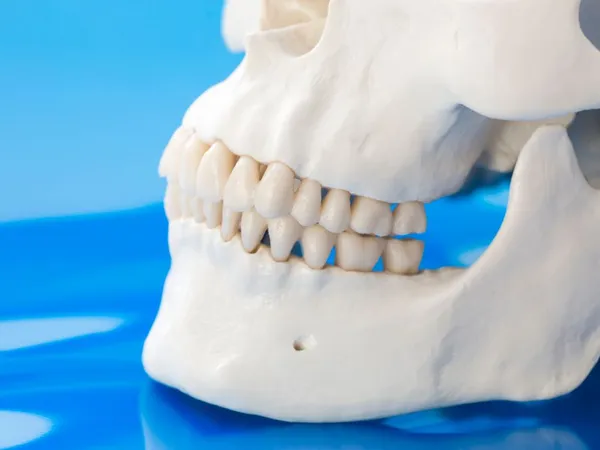
Jawbone loss and deterioration occur when the jaw no longer receives the stimulation it needs to remain healthy. This process can happen gradually and often goes unnoticed until it leads to functional problems, tooth loss, or visible changes in facial appearance. Understanding the causes of jawbone deterioration can help patients take steps to protect their oral health and explore treatment options such as bone grafting.
Jawbone loss is most often associated with missing teeth, gum disease, or long-standing dental conditions that interfere with normal chewing forces. When left untreated, bone loss can progress and make future dental treatment more complex.
Schedule your visit at [practice_name] across the Denver Metro area, call us at one of our convenient locations, Cherry Creek, Central Park, and Parker.
Reasons for Jawbone Loss and Deterioration
There are several common reasons jawbone loss may occur. In many cases, bone grafting is recommended to restore lost bone and support future treatment.
Treating Jawbone Loss
Jawbone deterioration can affect oral health, comfort, and appearance, but modern treatment options make restoration possible. Bone grafting procedures are designed to rebuild bone, restore function, and support long-term dental health.
During a consultation, your provider will evaluate imaging, discuss the cause of bone loss, and determine whether bone grafting or other treatments are appropriate for your situation.
Schedule your visit at [practice_name] across the Denver Metro area, call us at one of our convenient locations, Cherry Creek, Central Park, and Parker.

Common Causes of Jawbone Loss
Tooth Extractions
When an adult tooth is removed and not replaced, jawbone deterioration often follows. Natural teeth stimulate the jawbone through chewing and biting. Once a tooth is missing, the alveolar bone no longer receives stimulation and begins to break down. Most bone loss occurs within the first 18 months following extraction.
Periodontal Disease
Periodontal disease is a chronic infection that gradually destroys the tissues supporting the teeth, including the alveolar bone. When gingivitis progresses to periodontitis, bacteria and the body's immune response lead to destruction of supporting gum tissue and bone, causing teeth to loosen and eventually fall out.
Dentures and Bridgework
Traditional dentures rest on gum tissue and do not stimulate the underlying jawbone. Over time, this causes bone resorption, leading to loosening dentures and difficulty eating or speaking. Some dentures supported by implants can help preserve bone by restoring stimulation.
Trauma
Jawbone loss can occur following trauma. Teeth that are knocked out or broken below the gumline no longer stimulate the bone, leading to resorption. Common causes include accidents, sports injuries, jaw fractures, or teeth that have suffered trauma.
Misalignment
Misaligned teeth can create uneven biting forces and areas where teeth no longer meet their opposing counterparts. Conditions such as TMJ disorders, excessive wear, and lack of timely dental treatment can interfere with normal chewing forces and lead to localized bone loss.
Osteomyelitis
Osteomyelitis is a bacterial infection of the jawbone and bone marrow that causes inflammation and can reduce blood supply to the affected bone. Treatment often requires antibiotics and removal of infected bone tissue, followed by bone grafting to restore function.
Tumors
Both benign and malignant tumors of the mouth and face can result in jawbone loss. Tumors may require removal of a portion of the jaw, and reconstructive bone grafting is usually required to restore jaw function.
Sinus Deficiencies
When molars are removed from the upper jaw, bone loss can occur due to expansion of the maxillary sinus. A procedure known as a sinus lift can be performed to restore bone volume and make implant placement possible.