Cost of dental implants in Denver, CO
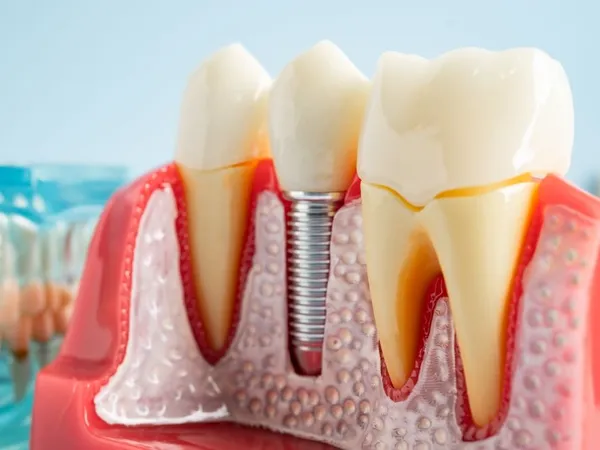
Dental implants have been used successfully for decades, but for many patients they are still a relatively new concept. When considering the cost of dental implants, it's important to look beyond the initial price and understand the long-term value they provide. Comparing implant costs to other tooth replacement options requires careful consideration of durability, oral health benefits, and overall quality of life.
Every patient's treatment plan is unique, and the cost of dental implants can vary depending on individual needs. Understanding what contributes to implant pricing can help you make an informed decision about your care.
Schedule your visit at [practice_name] across the Denver Metro area, call us at one of our convenient locations, Cherry Creek, Central Park, and Parker.
Longevity
When comparing the cost of dental implants to traditional tooth replacement options such as dentures or bridges, longevity is a key factor. Dentures and bridges often have a lower upfront cost, but they typically require repairs or replacement every five to ten years.
Dental implants, when properly placed and cared for, are designed to last a lifetime. Over time, the repeated costs associated with replacing dentures or bridges can exceed the initial investment of implants. For many patients, implants offer greater long-term value and stability.
Jawbone Health
When a tooth is missing, the jawbone in that area begins to deteriorate due to lack of stimulation. While dentures and bridges may restore appearance and basic function, they do not address bone loss beneath the surface. Over time, this bone loss can affect facial structure, leading to changes in appearance and additional dental or cosmetic concerns.
Dental implants are made of titanium, a material that integrates with the jawbone. This integration helps stimulate and preserve bone, maintaining the natural structure of the mouth and face. By protecting jawbone health, implants can help reduce future dental complications and associated costs.
Quality of Life
Dental implants are an investment not only in oral health, but also in overall quality of life. An implant functions much like a natural tooth, allowing patients to eat a wide variety of foods comfortably and confidently.
Unlike removable dentures, implants eliminate many daily inconveniences such as slipping, sore spots, and the need for adhesives. For many patients, this added comfort and confidence plays an important role in deciding whether implants are worth the investment.
Financing for Dental Implants
Coverage for dental implants varies by insurance provider, so it's important to check with your dental insurance carrier to see what portion, if any, may be covered.
In addition, healthcare financing companies often offer low-interest or no-interest payment plans for medical and dental procedures, including dental implants. Financing options can make treatment more accessible by allowing costs to be spread over time.
Schedule Your Consultation
The most accurate way to determine the cost of dental implants is through an in-person consultation. During your visit, we can evaluate your oral health, review imaging, and provide a personalized treatment plan with clear pricing.
Dental implants are an investment in both your health and appearance. A full, stable smile makes eating enjoyable again, supports a balanced diet, and helps preserve the natural contours of your face.
Schedule your visit at [practice_name] across the Denver Metro area, call us at one of our convenient locations, Cherry Creek, Central Park, and Parker.
Comparing Dental Implant Quotes
Dental implant treatment often involves multiple steps and, in some cases, more than one dental professional. When comparing quotes, it's important to understand what is included in the total cost. Factors that may be part of your treatment plan include:
Exams and Office Visits
Initial consultations, follow-up appointments, and ongoing monitoring throughout your treatment.
Tooth or Root Extraction
If a damaged tooth needs to be removed before implant placement.
Bone Grafting
If needed to build up the jawbone to support the implant.
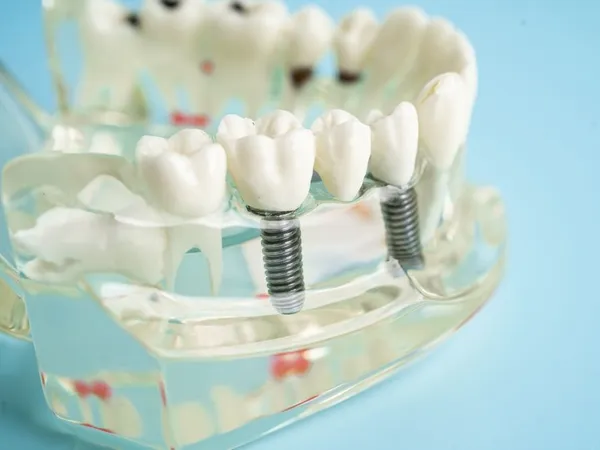
Titanium Implant Placement
The surgical placement of the implant post into the jawbone.
Final Crown or Restoration
The custom-made tooth that attaches to the implant.
X-rays and Pre/Post-Operative Care
Imaging and care before and after your procedure.
A comprehensive consultation helps ensure that all aspects of treatment are considered so there are no unexpected costs later.