Missing all upper or lower teeth in Denver, CO
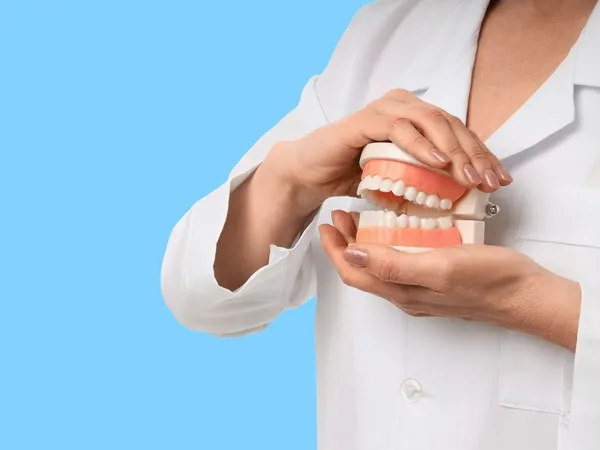
Losing all of the teeth in the upper or lower jaw can significantly affect comfort, function, and quality of life. While traditional dentures can restore appearance, many patients experience challenges with fit, stability, and confidence, especially with lower dentures. Fortunately, implant-supported tooth replacement options can dramatically improve comfort and chewing ability for patients missing all of their teeth.
Dental implants provide support and stability that traditional dentures cannot. Depending on your needs, anatomy, and goals, there are several options available for replacing all upper or lower teeth using implants.
Schedule your visit at [practice_name] across the Denver Metro area, call us at one of our convenient locations, Cherry Creek, Central Park, and Parker.
Missing All Lower Teeth
Many patients adapt well to upper dentures, but lower dentures often present more challenges. Because the lower jaw moves more during speaking and eating, traditional lower dentures may feel loose or unstable. Implant-supported solutions can greatly improve comfort and function for patients missing all lower teeth.
Missing All Upper Teeth
Patients missing all upper teeth have similar implant-supported replacement options. However, the bone in the upper jaw is generally softer than in the lower jaw, which often means more implants are needed to provide proper support.
One major advantage of implant-supported upper dentures is that they may eliminate the need to cover the roof of the mouth. This allows patients to better taste food, sense temperature, and enjoy a more natural feel.
Implant-Retained Upper Denture
With the appropriate number of implants, an upper denture can be supported without covering the roof of the mouth. This denture remains removable, making cleaning of both the denture and support bar easier. Many patients find this option more comfortable and natural than a traditional upper denture.
Individual Upper Implants
For patients seeking a non-removable solution that closely resembles natural teeth, individual upper implants may be recommended. This option often requires eight to ten implants, followed by placement of support posts and custom crowns after healing. This approach provides excellent stability and aesthetics but requires adequate bone and a longer treatment process. During your consultation, your provider will review imaging and discuss whether this option is appropriate for your goals.
Schedule your visit at [practice_name] across the Denver Metro area, call us at one of our convenient locations, Cherry Creek, Central Park, and Parker.
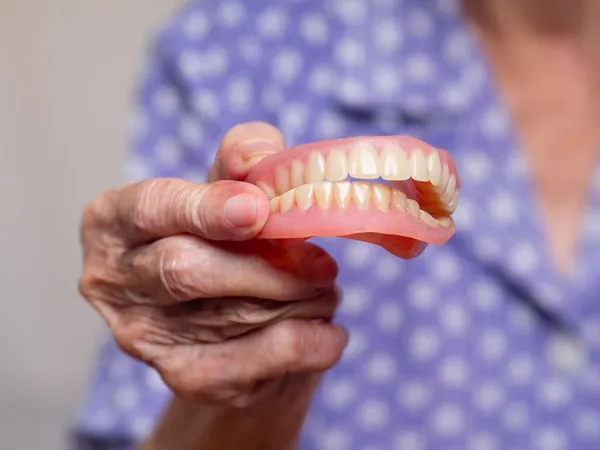
Lower Jaw Implant Options
Ball Attachment Denture
One option involves placing two dental implants in the lower jaw and creating a denture that snaps onto these implants using ball-shaped attachments. This approach provides improved stability compared to a traditional lower denture, especially during chewing. However, some denture movement may still occur, and food particles can become trapped underneath, which may lead to sore spots. As with all removable dentures, periodic adjustment appointments are necessary to maintain comfort and fit.
Bar Attachment Denture
Another option is to place four to six dental implants in the lower jaw, depending on jaw size and shape. After healing, the implants are connected with a custom-made support bar. A denture with internal retention clips snaps securely onto this bar, creating what is known as an implant-supported overdenture. This option offers significantly greater stability than a ball attachment denture and allows very little movement. The denture remains removable, making daily cleaning and long-term maintenance easier.
Screw-Retained Denture
A third option involves placing five or more dental implants and attaching a permanent denture to them. This denture is secured with screws or clasps to the support posts or bar and does not rest directly on the gum tissue. Because the denture is not removable by the patient, it provides excellent stability and function. Cleaning requires more time and dexterity, but many patients prefer this option because it feels more like natural teeth. The denture is typically removed only during professional maintenance visits.
Individual Implants for the Lower Jaw
The most comprehensive option is to replace each missing tooth individually so that the replacement teeth closely resemble natural teeth emerging from the gums. This approach usually requires eight or more implants, each fitted with its own support post and crown. In some cases, teeth may be joined together to provide additional strength or to support bone grafting procedures. This option typically has the highest cost because it requires the greatest number of implants and custom restorations. Jawbone size and shape may also limit whether this option is appropriate.