Jaw surgery in Denver, CO: what to expect
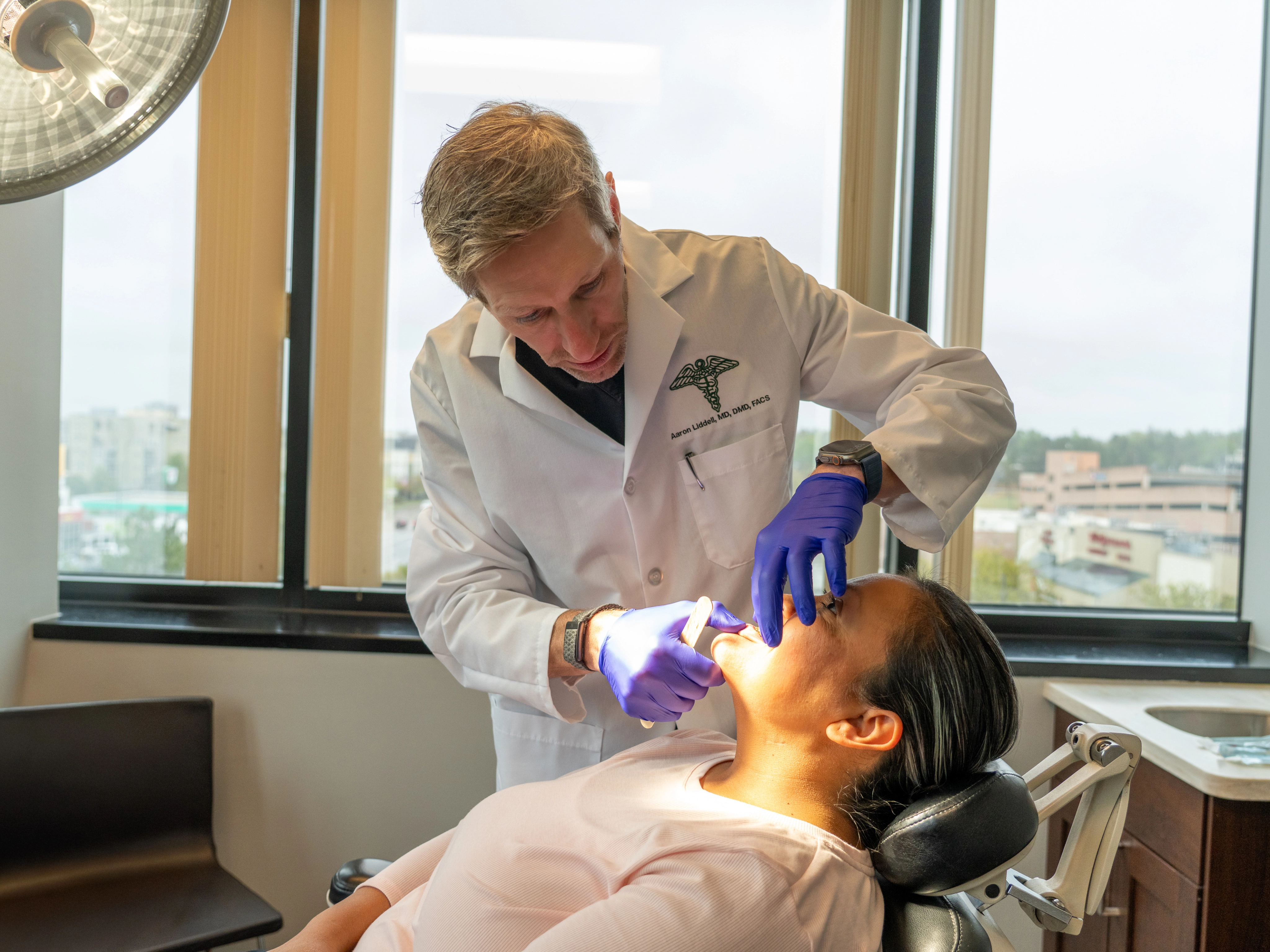
Jaw surgery, also called orthognathic surgery, can correct bite problems, facial imbalance, and airway concerns that braces or clear aligners cannot fix alone. Patients in Denver, Colorado and Parker, Colorado can find this procedure at Colorado Oral Surgery.
Jaw surgery explained
Orthognathic surgery repositions the upper jaw, lower jaw, or both to improve function, facial harmony, and breathing. It is planned with precise measurements and 3D imaging, then performed under general anesthesia. Most incisions are made inside the mouth, and the jaws are secured with small plates and screws that remain in place.
Reasons jaw surgery may be recommended include significant overbite or underbite, open bite, facial asymmetry, chronic jaw pain related to bite problems, difficulty chewing, speech concerns, and airway issues such as obstructive sleep apnea.
Why consider jaw surgery?
More comfortable chewing and biting with a stable, balanced bite

Improved speech clarity when jaw position affects articulation
Better breathing and potential relief for sleep apnea in select cases
Reduced strain on jaw joints and muscles
Long-term stability when skeletal position is the root cause of problems
What to expect
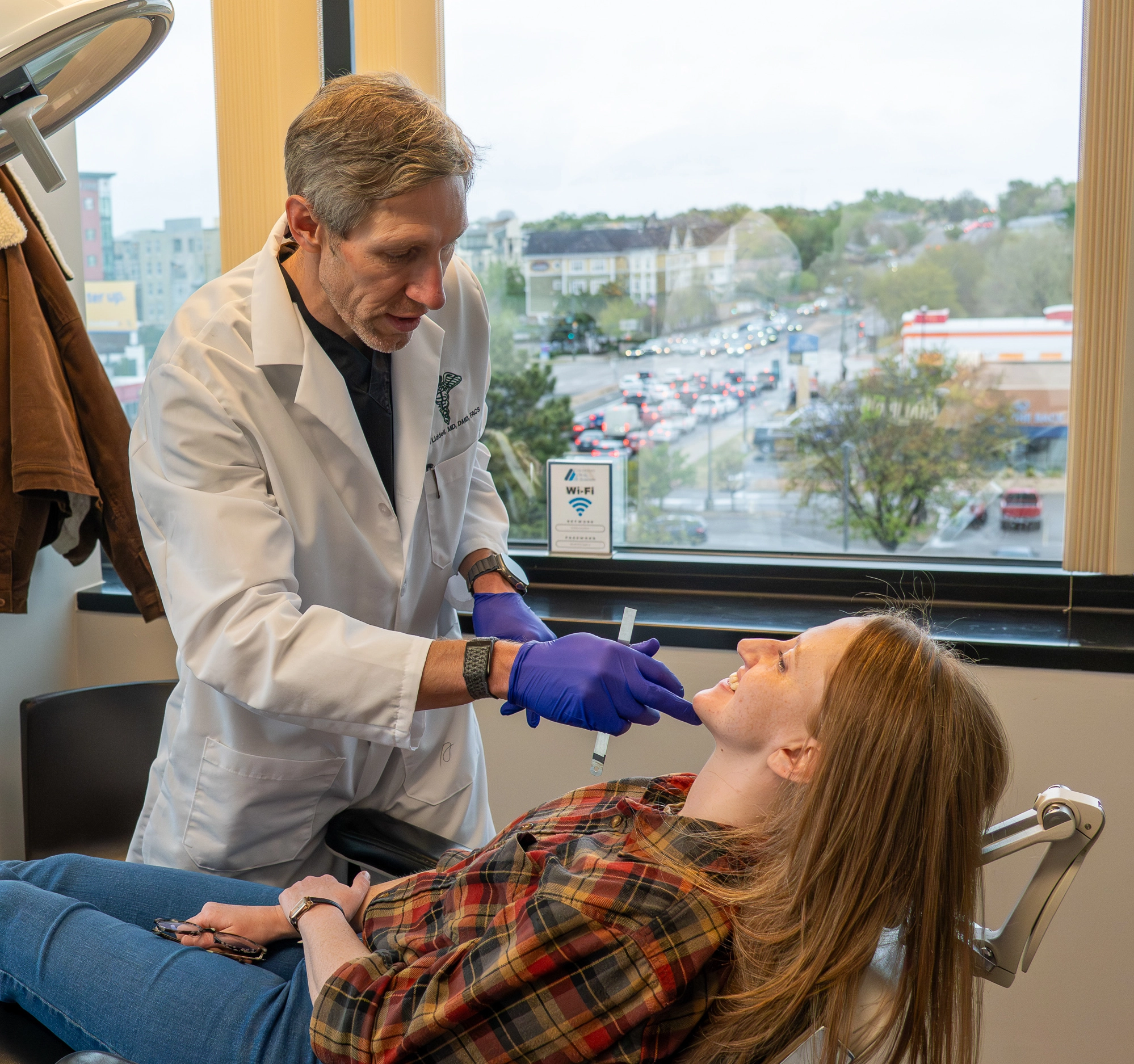
Before surgery, you may be asked to fast, adjust certain medications with your physician, stop smoking, and arrange a ride and help at home. After surgery, plan for rest, icing, a liquid-to-soft diet, and careful oral hygiene.
All surgery carries risks. With jaw surgery, potential risks include bleeding, infection, delayed healing, changes in tooth root health, temporary or persistent altered sensation of the lips or chin, jaw joint symptoms, bite changes that need adjustment, and relapse.
Temporary numbness of the lips or chin is common and often improves with time. Your oral surgeon will review mouth care, hygiene, and diet to support healing.
How jaw surgery works
1) Evaluation and planning
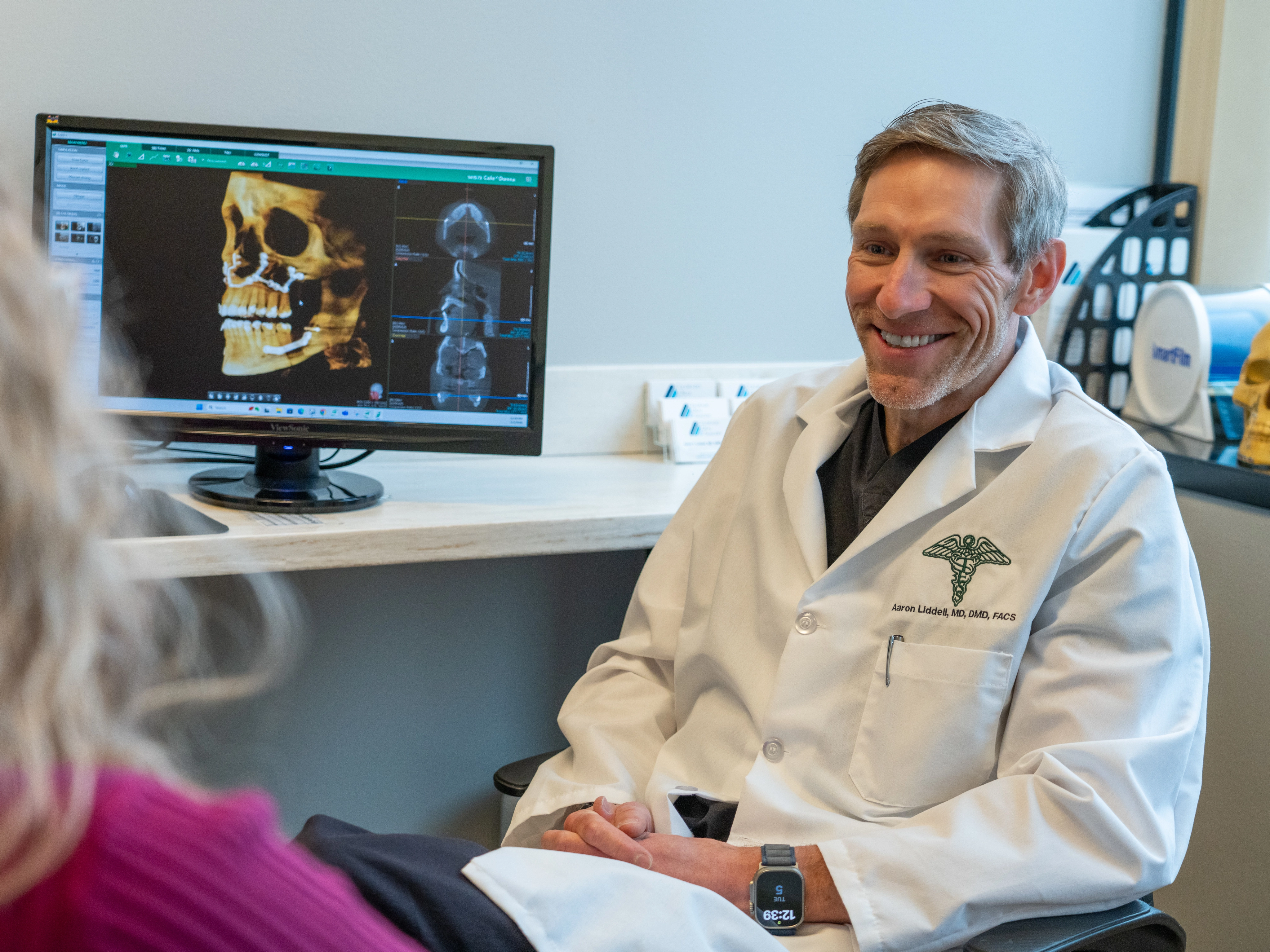
A complete exam includes photos, digital scans, X-rays, and often 3D imaging. Virtual surgical planning is used to preview movements and tailor the plan.
2) Pre-surgical orthodontics
Many patients need orthodontic treatment before surgery to align teeth to the corrected jaw position.
3) Day of surgery
General anesthesia is used. Incisions are usually inside the mouth. The jawbones are repositioned and secured with small plates and screws.
4) Recovery milestones
Days 1–3: swelling peaks. Weeks 1–2: swelling subsides. Weeks 3–6: gradual return to normal activities. Months 3–6: bones consolidate.