Sinus lift in Denver, CO
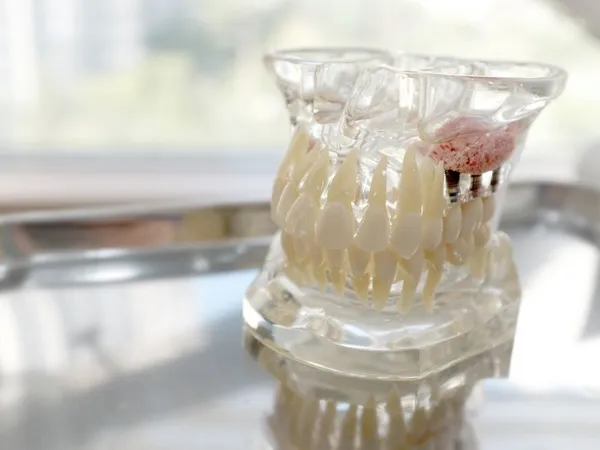
A sinus lift, also known as sinus augmentation, is a bone grafting procedure used to increase the amount of bone in the upper jaw so dental implants can be placed securely. This procedure is commonly recommended for patients who have experienced bone loss in the back portion of the upper jaw, often due to missing teeth, periodontal disease, or natural anatomy.
The maxillary sinuses are air-filled spaces located behind the cheeks and above the upper teeth. In some people, the roots of the upper back teeth extend very close to, or even into, the sinus cavity. When these teeth are removed, only a thin layer of bone may remain between the mouth and the sinus. Because dental implants require adequate bone for stability, implant placement may not be possible without first rebuilding this area.
Schedule your visit at [practice_name] across the Denver Metro area, call us at one of our convenient locations, Cherry Creek, Central Park, and Parker.
What Is a Sinus Lift?
The long-term success of a dental implant depends on both the quality and quantity of the jawbone supporting it. When bone loss has occurred in the upper jaw, whether from injury, gum disease, or long-standing tooth loss, a sinus lift can raise the sinus floor and allow new bone to form beneath it.
During a sinus lift, bone is added to the area below the sinus membrane and above the bony ridge that anchors the upper teeth. As the graft heals, it becomes part of the patient's natural jawbone. This newly formed bone creates a stable foundation that allows dental implants to be placed and secured properly.
A sinus lift is one of the most common bone grafting procedures for patients who need dental implants in the upper jaw but lack sufficient bone height.
Restoring Implant Options in the Upper Jaw
A sinus lift has made it possible for many patients to receive dental implants when, in the past, the only option was removable dentures. By rebuilding bone in the upper jaw, this procedure expands treatment possibilities and helps restore comfort, function, and confidence.
Sinus augmentation is typically performed in our office using local anesthesia. For patients who prefer additional relaxation, intravenous sedation may also be available. During your consultation, your provider will review your options and help you decide on the best approach for your care.
Schedule your visit at [practice_name] across the Denver Metro area, call us at one of our convenient locations, Cherry Creek, Central Park, and Parker.
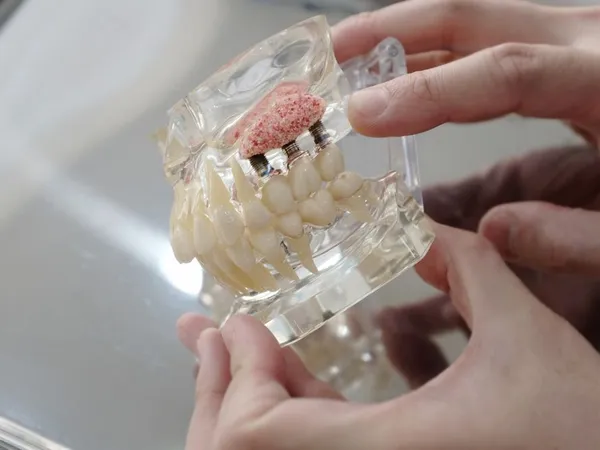
Sinus Lift Procedure
Am I a Candidate for a Sinus Lift?
A sinus lift may be recommended if you are missing one or more teeth in the back of your upper jaw, have lost a significant amount of bone in the upper jaw, are missing teeth due to a congenital condition, or are missing most or all maxillary teeth and require support for dental implants.
How Is the Procedure Performed?
A small incision is made in the premolar or molar region of the upper jaw to expose the bone. A small opening is created, and the membrane lining the sinus cavity is carefully lifted upward. Bone graft material is then placed into the space created beneath the sinus membrane.
Graft Materials
The graft material may come from your own body, donated human bone, or synthetic materials designed to support bone formation. Once the graft is placed, the incision is closed and the healing process begins.
Sinus Lift and Implant Timing
In some cases, if enough natural bone is present, a sinus lift and dental implant placement can be performed during the same procedure. If insufficient bone is available, the sinus lift is performed first and allowed to heal for several months before implant placement.