Jawbone health in Denver, CO
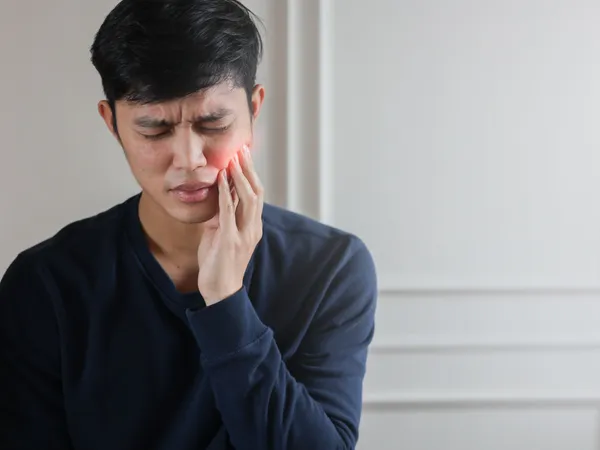
Healthy teeth play a vital role in maintaining the strength and structure of the jawbone. When one or more teeth are missing, the jawbone in that area no longer receives the stimulation it needs to remain healthy. Over time, this lack of stimulation can lead to jawbone loss at the site of the missing tooth, creating both functional and aesthetic concerns.
Jawbone loss does not happen overnight, but it can gradually lead to serious complications. As bone deteriorates, you may experience discomfort, changes in your bite, problems with remaining teeth, and noticeable changes in facial appearance. In advanced cases, jawbone loss can affect speech and make eating more difficult.
Schedule your visit at [practice_name] across the Denver Metro area, call us at one of our convenient locations, Cherry Creek, Central Park, and Parker.
The Importance of Teeth for Jawbone Health
Bone tissue is maintained through use, much like muscle is maintained through exercise. Natural teeth are anchored in the jawbone and stimulate it during everyday activities such as chewing and biting. This stimulation signals the body to maintain bone density and strength.
When a tooth is lost, the portion of the jawbone that once supported it, called the alveolar bone, no longer receives stimulation. As a result, the body begins to break down and reabsorb that bone. Over time, the jawbone shrinks and weakens because the body no longer perceives a need to maintain it.
This process of bone resorption can spread beyond the original site of tooth loss, affecting neighboring teeth and the overall shape of the jaw. Without intervention, continued bone loss can compromise both oral health and facial structure.
Protecting Jawbone Health
Replacing missing teeth is one of the most effective ways to protect jawbone health. Treatments such as dental implants can help restore function while providing the stimulation needed to preserve bone. Early evaluation and treatment can slow or prevent further bone loss and help maintain facial structure.
During a consultation, your provider can evaluate your jawbone health, review imaging, and discuss treatment options designed to preserve bone and restore comfort. Addressing tooth loss sooner rather than later can help prevent more complex problems in the future.
Schedule your visit at [practice_name] across the Denver Metro area, call us at one of our convenient locations, Cherry Creek, Central Park, and Parker.
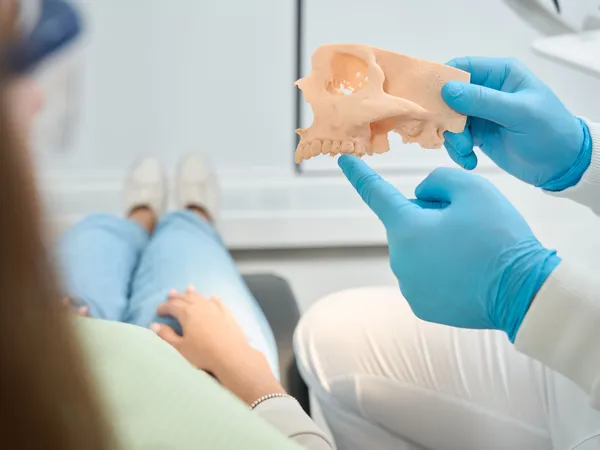
Potential Consequences of Tooth and Jawbone Loss
Jawbone deterioration can lead to a wide range of complications that affect both appearance and quality of life. Possible consequences include:
Dental Problems
Problems with remaining teeth, including misalignment, drifting, loosening, and eventual tooth loss.
Facial Changes
A collapsed or sunken facial profile, reduced lip support, and increased skin wrinkling around the mouth.
TMJ and Pain Issues
Jaw joint (temporomandibular joint, or TMJ) pain, facial pain, and headaches.
Functional Difficulties
Difficulty speaking clearly and comfortably, poor nutrition due to difficulty chewing food properly, and expansion of the sinus cavities in the upper jaw.