Replacing missing teeth in Denver, CO
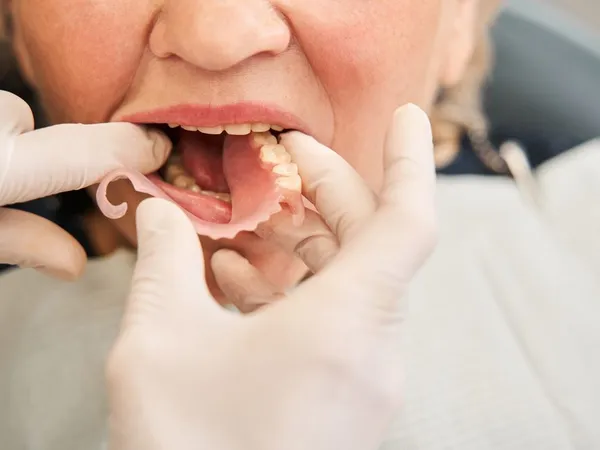
Your teeth play an important role in your overall health. When your smile is complete and functioning properly, everyday activities like eating, speaking, and smiling feel natural and comfortable. When one or more teeth are missing, however, it can affect far more than appearance. A missing tooth can change your bite, limit food choices, and place extra stress on the remaining teeth, increasing the risk of wear, damage, or future tooth loss. Some patients may also experience headaches or jaw discomfort as their bite shifts over time.
Beyond these functional concerns, missing teeth can have a serious impact on oral health. When a tooth is lost, the jawbone in that area no longer receives stimulation. As a result, the bone begins to shrink. Studies show that people can lose up to 25 percent of their supporting jawbone structure within the first year after tooth loss. This bone loss can change facial appearance and make future tooth replacement more complex.
The good news is that modern tooth replacement options can help prevent these changes. Dental implants, in particular, function much like natural teeth by supporting the jawbone and helping maintain facial structure. When implants are placed closer to the time of tooth extraction, treatment is often more straightforward. Your dentist and implant surgeon will review your options with you so you can make an informed decision about replacing missing teeth.
Schedule your visit at [practice_name] across the Denver Metro area, call us at one of our convenient locations, Cherry Creek, Central Park, and Parker.
Tooth Replacement Options
There are several ways to replace missing teeth, ranging from temporary solutions to long-lasting restorations. In general, good candidates include anyone missing one or more teeth or patients who are unhappy with their current dentures. Age alone is not a limiting factor.
Certain conditions, such as smoking, diabetes, or previous radiation therapy to the jaw, may affect treatment planning or implant success rates. To determine the best option for you, X-rays of the jaw are taken to evaluate bone structure and overall oral health. In some cases, additional imaging or procedures may be recommended before treatment begins.
Why Choose Dental Implants Over Traditional Restorations?
Traditional options such as bridges or removable dentures may compromise healthy teeth or require daily removal. Dentures that slip can be uncomfortable and embarrassing, and bridges depend on adjacent teeth for support.
Dental implants stand apart by preserving bone, protecting surrounding teeth, and providing a stable, natural-feeling solution for tooth replacement.
Schedule your visit at [practice_name] across the Denver Metro area, call us at one of our convenient locations, Cherry Creek, Central Park, and Parker.
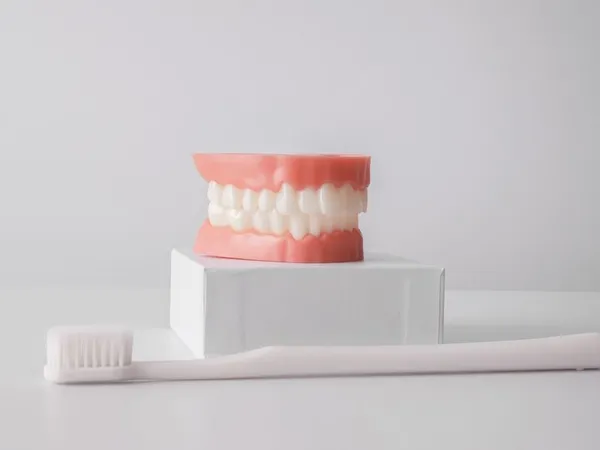
Tooth Replacement Options Explained
Fixed Bridge
A fixed bridge is a set of connected replacement teeth that is cemented onto the natural teeth adjacent to the empty space. To support the bridge, the protective outer layer of these neighboring teeth is typically reduced or reshaped. While bridges can restore appearance and function, they rely on surrounding teeth for support.
Flipper
A flipper is a removable plastic tooth with a plastic retainer. It is considered a temporary and inexpensive solution and is often used while waiting for a more permanent option. Flippers are lightweight but can be fragile and less stable during eating or speaking.
Metal Partial
A metal partial denture is a removable appliance made of metal and plastic. It is held in place by wire clasps that attach to natural teeth. Compared to a flipper, a metal partial is more durable, but it must be removed and reinserted by the patient.
Dentures
Complete dentures are commonly used for patients missing all teeth in one or both jaws. While some people adapt well to dentures, others find them uncomfortable or unstable due to differences in jaw shape, bone loss, or muscle control. Dentures may also slip during eating or speaking.
Dental Implants
Dental implants are considered the most comfortable and long-lasting solution for replacing missing teeth. They create a strong foundation that supports replacement teeth while keeping the jawbone healthy and strong. Implants can replace individual teeth or secure specialized implant-supported dentures. Unlike bridges, implants do not require altering healthy neighboring teeth. With proper care, implants can last a lifetime and provide excellent stability, comfort, and appearance for most patients.