About bone grafting in Denver, CO
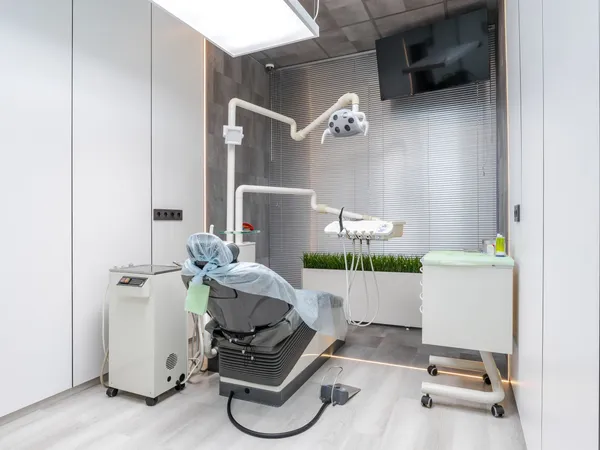
Bone grafting is a procedure used to restore lost bone in the jaw and create a stable foundation for dental implants. Over time, when teeth are missing, the jawbone in that area begins to shrink and weaken through a process called bone resorption. As bone volume and density decrease, there may not be enough healthy bone to support dental implants.
Advances in bone grafting techniques now make it possible to replace missing bone and stimulate new bone growth. This allows dental implants to be placed with the proper length and width while also helping restore function and appearance. Bone grafting can significantly expand treatment options for patients who might otherwise not be candidates for dental implants.
Schedule your visit at [practice_name] across the Denver Metro area, call us at one of our convenient locations, Cherry Creek, Central Park, and Parker.
What Is Bone Grafting?
Bone grafting involves placing graft material in areas where bone has been lost or is insufficient. The graft material supports the body's natural healing process by encouraging new bone to grow and fill the area over time. Once healing is complete, the regenerated bone can provide the strength and stability needed for dental implants.
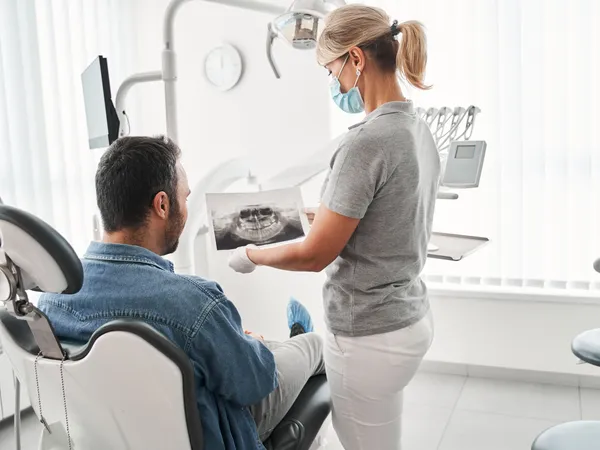
Bone grafting is commonly recommended when bone loss has occurred due to tooth extraction, trauma, gum disease, or long-term tooth loss. Imaging and clinical evaluation help determine whether bone grafting is needed and which approach is most appropriate for your situation.
Types of Bone Grafts
Several types of bone graft materials are available. Each option has its own advantages, and the best choice depends on your health, anatomy, and treatment goals.
Choosing the Right Bone Graft
Each bone grafting option has specific benefits and considerations. Factors such as healing time, predictability, surgical complexity, and overall health play a role in determining the best approach.
Gregg Lurcott, Michael Hale, and Aaron Liddell will carefully evaluate your needs and discuss which bone grafting material is most appropriate for your treatment. With proper planning and healing, bone grafting can help make dental implants possible and support long-term oral health.
Schedule your visit at [practice_name] across the Denver Metro area, call us at one of our convenient locations, Cherry Creek, Central Park, and Parker.
Bone Graft Options
Autogenous Bone Grafts
Autogenous bone grafts, also known as autografts, use bone taken from your own body. Common donor sites include the chin, jaw, hip, lower leg bone, or skull. Because this graft material is living bone, it contains cells that actively promote new bone formation. The primary advantage is strong bone-forming potential, though it requires a second surgical procedure to harvest the bone.
Allogenic Bone Grafts
Allogenic bone grafts, or allografts, are derived from donated human bone that has been processed and sterilized. This type of graft does not contain living cells but serves as a scaffold that allows your own bone to grow into the area and replace the graft material over time. Allogenic grafts eliminate the need for a second surgical site.
Xenogenic Bone Grafts
Xenogenic bone grafts come from another species, most commonly bovine (cow) bone. These grafts are processed at high temperatures to ensure safety and prevent immune reactions. Like allogenic grafts, xenogenic grafts act as a framework that supports new bone growth from surrounding tissue.
Bone Graft Substitutes
In addition to natural bone grafts, synthetic bone graft substitutes are available and widely used. These materials are safe, effective, and eliminate the need for a second surgical site. Options include Demineralized Bone Matrix (DBM), graft composites, and bone morphogenetic proteins (BMPs).