Wisdom teeth removal in Denver, CO
Colorado Oral Surgery provides care for wisdom teeth removal in Denver, CO and Parker, CO. This page explains why third molars are often removed, how surgery works, and what recovery looks like so patients in Denver, Colorado can make informed decisions with confidence.
Wisdom teeth removal explained
Wisdom teeth, also called third molars, usually emerge between ages 17 and 25. Many mouths do not have enough space, which can lead to impacted wisdom teeth that stay trapped under gum or bone. Common reasons to consider extraction include pain, swelling, infection, cysts, damage to nearby teeth, and hygiene challenges that increase decay or gum disease risk.
Patients often search for what is wisdom tooth extraction, how does wisdom teeth surgery work, and the benefits of removing wisdom teeth. In most cases, the procedure is an outpatient oral surgery performed with local anesthesia and a sedation option when appropriate.
How removing wisdom teeth can help
Reduces crowding and pressure on adjacent teeth

Lowers the chance of infections, gum disease, and decay around hard-to-clean molars

Prevents cysts or damage to the second molars
Addresses impacted wisdom teeth symptoms like pain and swelling

Simplifies long-term oral hygiene
What to expect before and after surgery
Before the visit, patients receive preparation instructions. Those choosing IV sedation usually fast for a set time and arrange a responsible adult to drive home.
After surgery, plan to rest. Some bleeding is normal for the first day. Swelling often peaks at 48 to 72 hours, then improves.
- Pain and swelling: Use prescribed or recommended pain relievers, cold compresses in 20-minute intervals on day one
- Oral hygiene: Begin gentle saltwater rinses after the first 24 hours; brush carefully, avoiding the extraction sites
- Diet: Start with cool liquids and soft foods; avoid straws and very hot, spicy, or crunchy foods
- Dry socket prevention: Do not smoke or vape, avoid vigorous rinsing or spitting the first day
Call the office right away for fever, worsening pain after initial improvement, difficulty swallowing or breathing, or bleeding that does not slow with pressure.
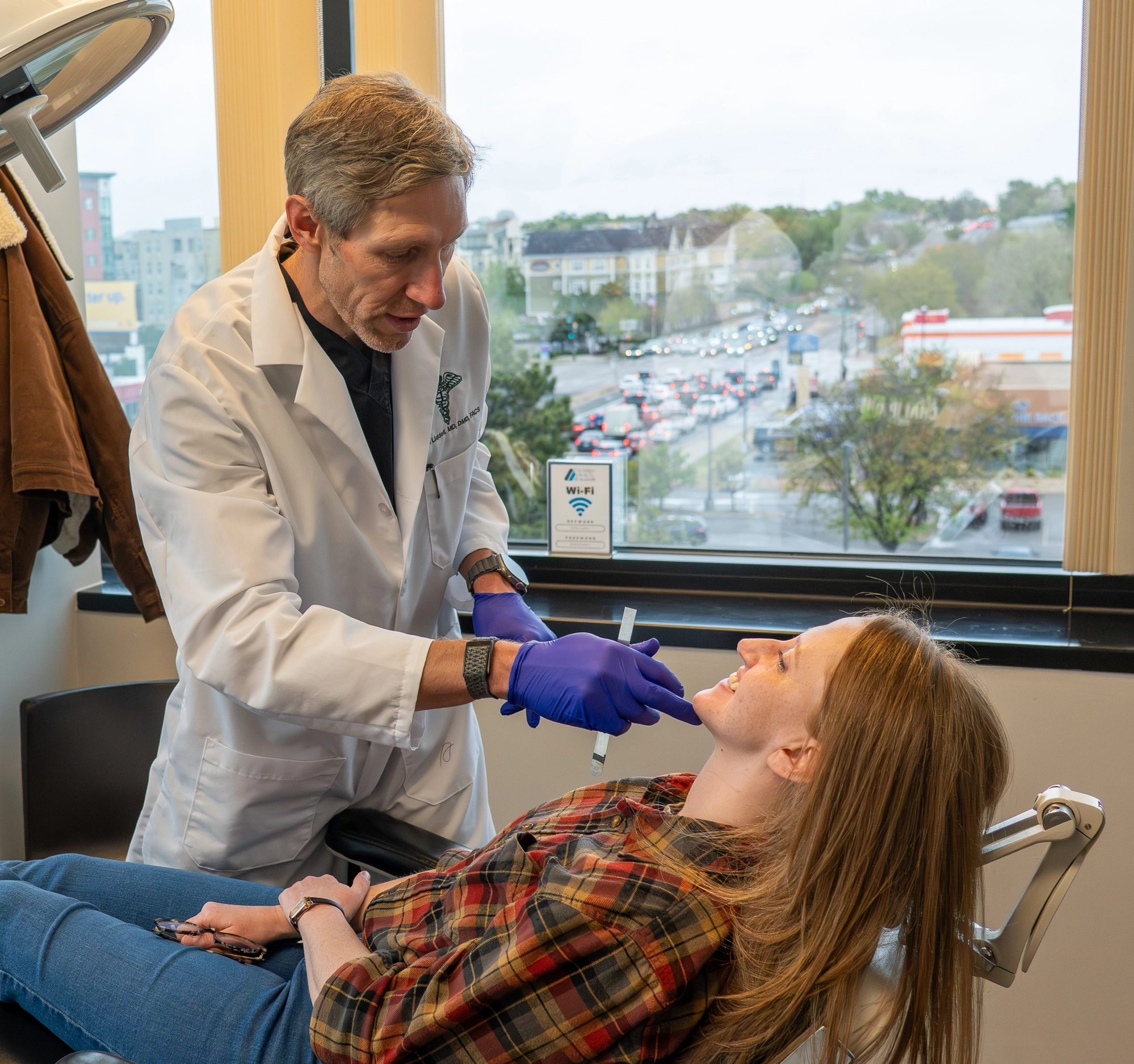
How the procedure works
1) Consultation and imaging
The process begins with a consultation, exam, and imaging to assess tooth position and roots. The team reviews medical history and discusses sedation options.
2) Anesthesia and sedation
Options include local anesthesia alone, nitrous oxide, or IV sedation. The choice depends on tooth complexity and patient comfort.
3) Extraction
A small incision may be made in the gum. Teeth are sometimes sectioned into smaller pieces for gentle removal. The area is irrigated and sutured.
4) Recovery
Most appointments last 45 to 90 minutes for all four teeth. Many people return to school or desk work within two to three days.