Cleft palate care in Denver, CO: a practical guide for families
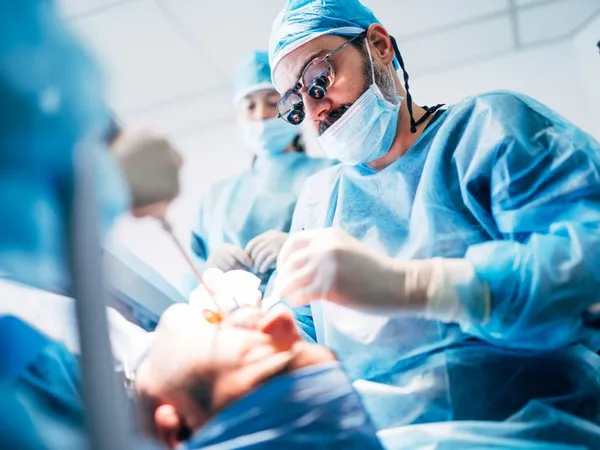
Colorado Oral Surgery provides information and treatment options for cleft palate in Denver, CO and the surrounding communities, including Parker, CO. This page explains how cleft palate affects feeding, speech, ear health, and dental development.
Cleft palate explained
A cleft palate is an opening in the roof of the mouth that occurs when tissues do not fuse completely during early pregnancy. It may occur alone or with a cleft lip. The opening can involve the soft palate, the hard palate, or both.
Care is best delivered by a team that may include an oral and maxillofacial surgeon, pediatrician, pediatric dentist, orthodontist, speech-language pathologist, and ear, nose, and throat specialist.
How cleft palate treatment helps

Improved ability to create normal speech sounds
Easier feeding and swallowing with less nasal regurgitation
Lower risk of middle ear fluid and related hearing problems

Better support for facial and dental development over time
What to expect before and after surgery
Before surgery, your team will review medical history, feeding patterns, and ear health, and may order hearing tests.
- Pain control: most children need a few days of prescription pain medicine followed by over-the-counter options
- Diet: a soft or liquid diet is usually recommended for 1 to 2 weeks to protect the repair
- Incision care: sutures are often dissolvable; gentle rinsing and avoiding sharp objects in the mouth are important
- Follow-up: visits monitor healing, speech progress, and ear health
Potential risks include bleeding, infection, small openings (fistulas) that may require revision, and persistent nasal air escape during speech. Most families see steady improvements over time with coordinated surgical care, speech therapy, and dental follow-up.

How cleft palate repair works
1) Timing and evaluation
Many children have palatoplasty around 6 to 12 months of age, after careful evaluation of growth, nutrition, and ear health.
2) Surgery
The operation is performed under general anesthesia. The surgeon creates flaps from the tissues of the palate, repositions and reconnects the palatal muscles, and closes the opening in layers.
3) Bone grafting (if needed)
If the gum ridge is also cleft, an alveolar bone graft is often planned later, commonly between 7 and 11 years of age.
4) Speech therapy
Speech therapy is a key part of care after repair to help children develop clear articulation and proper airflow.