Bone grafting in Denver, CO
Colorado Oral Surgery provides bone grafting in Denver, CO for patients who need to strengthen the jaw before dental implants or other oral surgery. Patients in Denver and Parker, Colorado often ask what a dental bone graft is, how it works, and how long recovery takes. This page offers a clear overview so you know when bone grafting is recommended and what to expect from start to finish.
Bone grafting explained
A dental bone graft adds or restores bone where the jaw has thinned or changed shape. Loss of bone commonly occurs after tooth extraction, from long-term tooth loss, periodontal disease, or trauma. A graft creates a stable foundation for implant placement and helps preserve facial structure.
There are several graft materials. An autograft uses a small amount of your own bone. An allograft comes from a carefully processed human donor source. A xenograft is derived from animal bone, and an alloplast is a synthetic option. Your oral surgeon selects the material based on your health, treatment goals, and the site being rebuilt.
How bone grafting can help you

Supports dental implants by restoring adequate bone volume
Maintains ridge shape after extraction (ridge preservation)
Stabilizes loose dentures or bridges by improving the underlying jaw
Prepares upper back teeth sites with a sinus lift procedure when the sinus floor is low

Protects adjacent teeth by reinforcing thin or missing bone
What to expect
- Aftercare: expect mild swelling and soreness for a few days; cold compresses and prescribed medication help
- Diet: start with soft, cool foods; avoid chewing on the graft area until cleared
- Oral hygiene: keep the site clean with gentle rinsing as instructed; avoid brushing directly over sutures at first
- Activity: rest the day of surgery; avoid strenuous exercise for the time period recommended
- Habits: do not smoke or vape, as nicotine can impair healing and increase the risk of graft complications
Normal sensations include tenderness and minor oozing the first 24 hours. Call the office if you notice increasing pain after several days, persistent bleeding, fever, or a loose membrane.
Graft types
- Socket preservation: places bone material at the time of extraction to limit future shrinkage
- Ridge augmentation: thickens or widens a thin ridge to meet implant needs
- Sinus lift: raises the sinus floor and adds bone above upper molars and premolars where the sinus is close
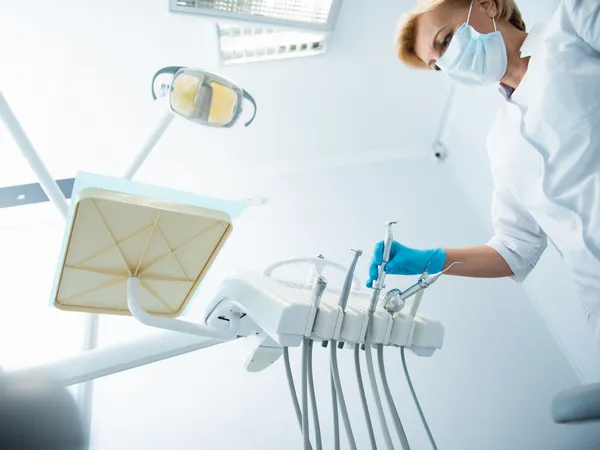
Your bone grafting journey
1) Consultation and planning
The visit typically includes a clinical exam and 3D imaging such as a cone beam CT scan. This shows bone height, width, and density so the team can recommend the right approach.
2) Day of the procedure
Local anesthesia numbs the area; sedation may be offered for comfort. The site is prepared, graft material is placed, and a protective membrane may cover the graft before sutures close the site.
3) Healing and timing
Small socket grafts may be ready for an implant in about 8 to 12 weeks. Larger ridge augmentations or sinus lifts often need 4 to 6 months.
4) Follow-up and implants
Your oral surgeon confirms readiness with an exam and imaging before moving forward with implant placement or other restorations.