Facial trauma repair in Denver, CO
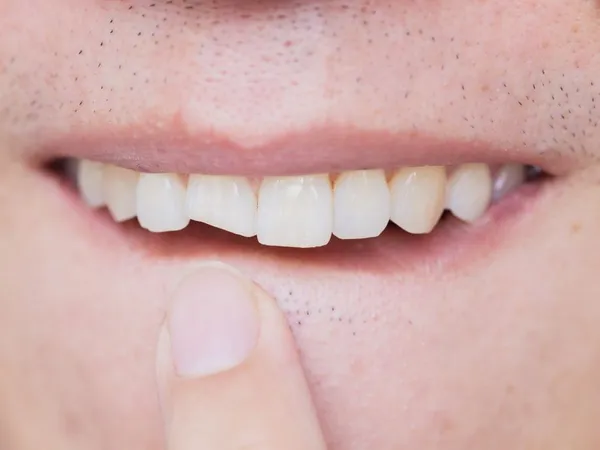
Patients in Denver, Colorado and nearby Parker, Colorado can rely on Colorado Oral Surgery for evaluation and treatment after facial injury. This page explains facial trauma repair, what it involves, common injuries treated, and what to expect from diagnosis through recovery.
Facial trauma repair explained
Facial trauma repair addresses injuries to the jaws, cheekbones, eye sockets, nose, teeth, gums, and facial soft tissues. Treatment aims to restore function and appearance after accidents such as falls, sports collisions, vehicle crashes, or assaults.
Depending on injury type and severity, care may include non-surgical stabilization, suturing of lacerations, or surgery to reposition and secure broken bones.
Why consider facial trauma repair?

Re-aligns broken bones to restore jaw function and facial balance
Protects the airway, eyes, and nerves from further injury
Stabilizes the bite to prevent long-term tooth wear and joint strain

Reduces risk of infection with proper cleaning and closure of wounds
Supports better cosmetic outcomes with careful soft tissue repair
What to expect
- Before treatment: follow fasting instructions if sedation is planned, bring imaging if available, and arrange a ride home
- After treatment: swelling peaks at 48 to 72 hours, bruising fades over 1 to 2 weeks
- Oral care: gentle brushing with a soft brush, saltwater or prescribed rinses
- Activity: avoid contact sports until cleared; lifting limits may apply during early bone healing
Seek emergency care immediately for heavy bleeding that will not stop, trouble breathing, double vision or vision loss, a deformed bite, or loss of consciousness.
Your recovery timeline
Soft tissues typically seal in 5 to 10 days. Bone healing takes several weeks; many jaw fractures need 4 to 6 weeks for initial union, with full strength building over months.

How facial trauma repair works
1) Assessment and imaging
Care begins with a focused exam of the face, jaws, and teeth, a bite check, and a neurosensory assessment. Imaging often includes panoramic X-rays or a CT scan.
2) Soft tissue repair
Facial cuts are irrigated to remove debris and then closed in layers to minimize scarring. Fine, skin-appropriate sutures are used on the surface.
3) Fracture management
Stable fractures may be treated with closed reduction. Displaced fractures often need open reduction and internal fixation with titanium plates and screws.
4) Dental injury care
If a permanent tooth is avulsed, keep it moist in milk or saline and seek prompt care; replantation and flexible splinting may be possible.