Oral surgery services in Denver, CO
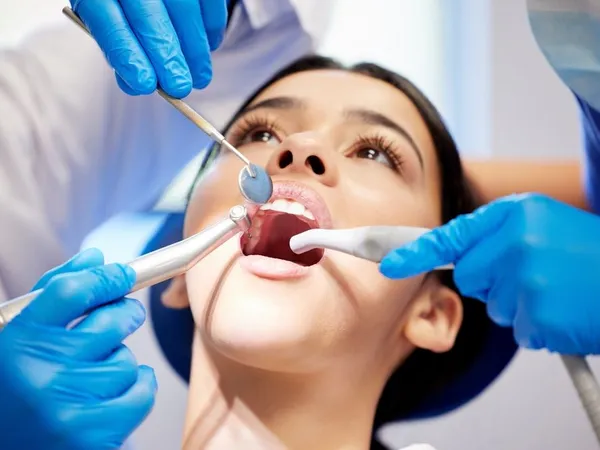
Colorado Oral Surgery provides oral surgery services in Denver, CO to help address complex dental and jaw conditions with safe, evidence-based care. This page outlines common procedures, benefits, sedation options, and recovery guidelines.
Oral surgery services explained
Oral surgery treats problems involving the teeth, gums, jaws, and related structures. Common reasons for surgery include impacted or infected teeth, missing teeth needing dental implants, jaw bone loss, or lesions that need biopsy.
Sedation options range from local anesthesia and nitrous oxide to oral or IV sedation, depending on the procedure, medical history, and personal preference.
Benefits you can expect
Relief from pain and infection, especially with impacted or decayed teeth
Improved chewing and speech through stable tooth replacement

Preservation of jaw bone with grafting and timely extractions

Support for orthodontic treatment by aligning impacted teeth
What to expect
Before surgery
- Follow eating and drinking instructions, especially if sedation is planned
- Take regular medications as directed; discuss blood thinners in advance
- Wear comfortable clothing and arrange transportation if sedated
- Prepare soft foods and ice packs at home
After surgery
- Control bleeding by biting on gauze as directed
- Use ice packs and keep your head elevated to reduce swelling
- Eat soft, cool foods; avoid straws and smoking to lower dry socket risk
- Limit strenuous activity for 48–72 hours

How oral surgery works
1) Consultation
Clinical exam, X-rays, and when needed, 3D imaging (CBCT) to define the diagnosis and select the most predictable approach.
2) Planning and anesthesia
Review of medical history, medications, and sedation choices. Local anesthesia numbs the area; nitrous oxide, oral, or IV sedation available for comfort.
3) Day of surgery
The procedure is performed with precision. For extractions, the tooth is loosened and removed. For implants, a small opening is made and the implant placed.
4) Recovery
Follow post-operative instructions including ice packs, soft foods, and gentle oral hygiene. Your team provides specific guidance for your case.